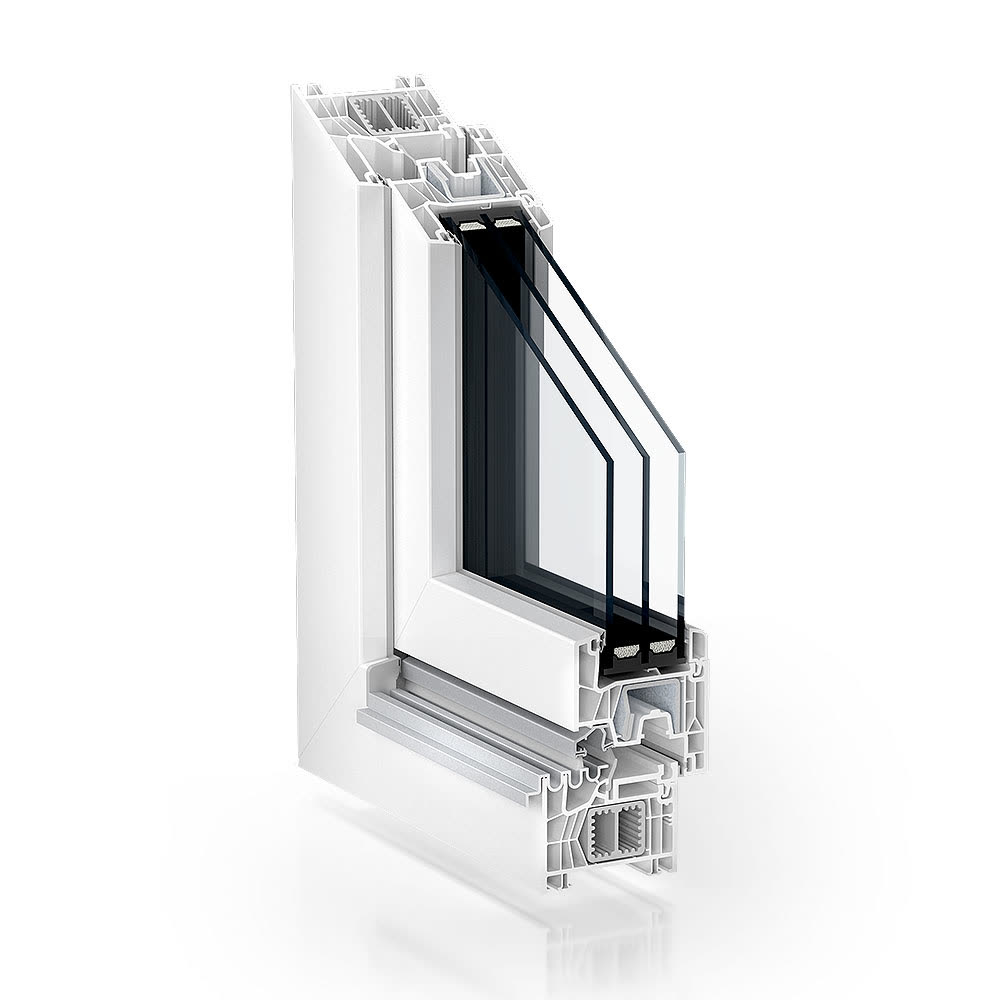
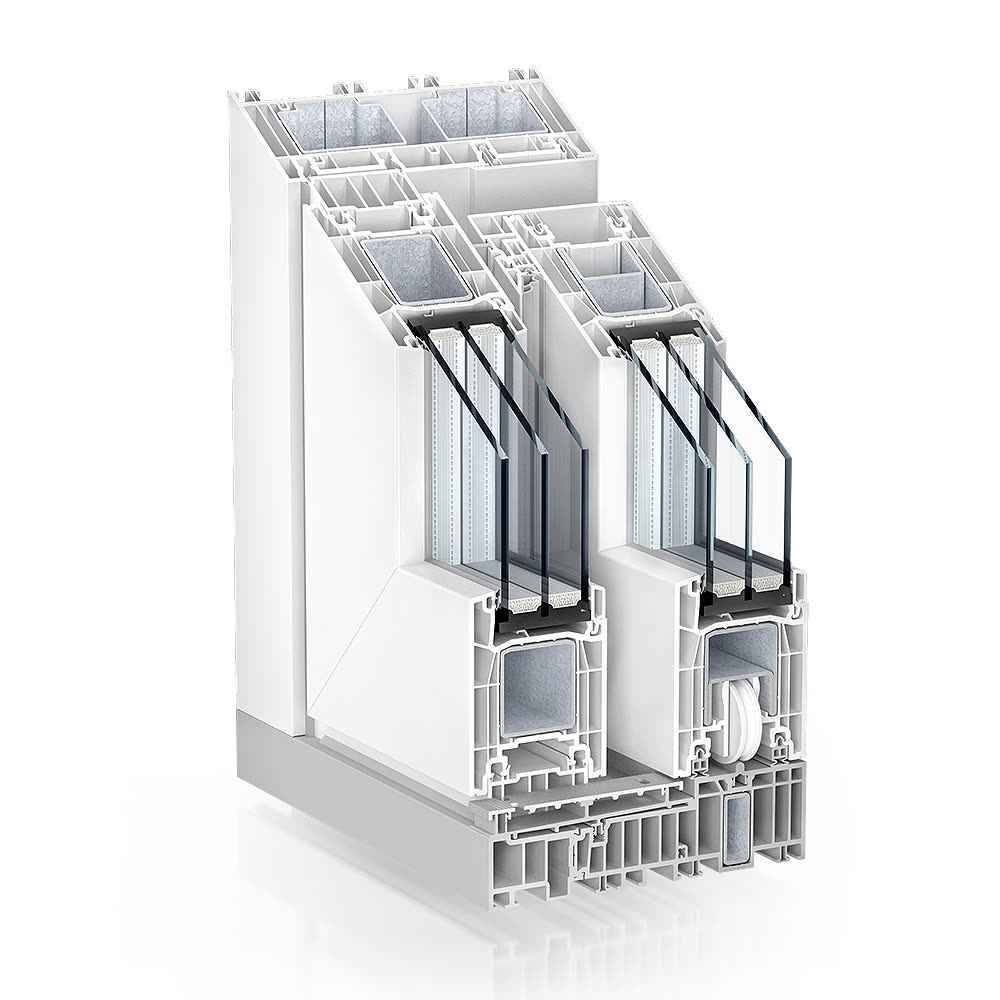
The profile gives the declared performance. The hardware decides whether it keeps it.
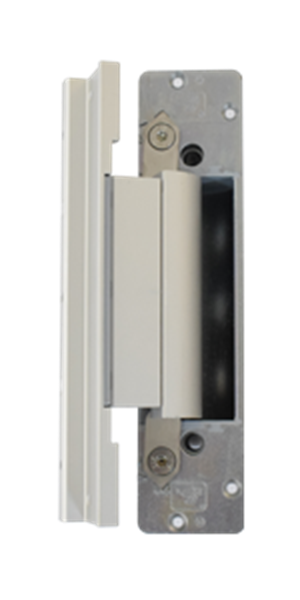
A PVC window is an assembly: the profile, the glass and the hardware work together. The burglar resistance class, for instance, does not come from the profile but from the combination of the keeps in the frame, the locking points and the handle — all three have to be of the class required.
On PVC joinery the window hardware and the door locks are Winkhaus, and the window handles are those with the Secustik® mechanism, in the ranges and finishes below. Below are the families we use routinely and the versions that matter when choosing, with what the manufacturer of each item declares. This is not a complete catalogue of codes: the exact code is settled at order stage, according to the system, the size of the sash and the security class required.
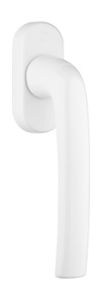
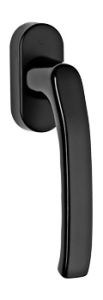
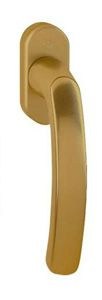
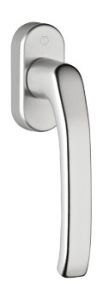
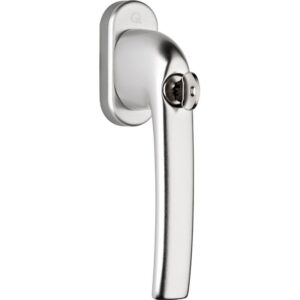
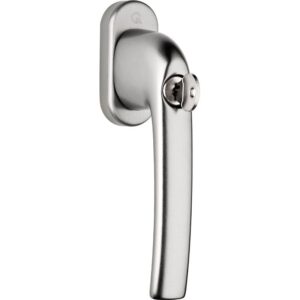
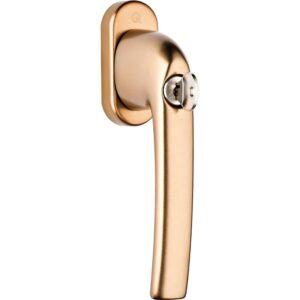
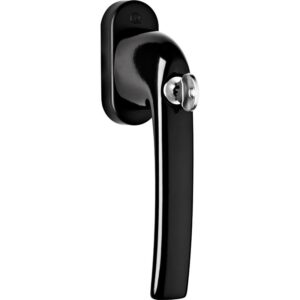
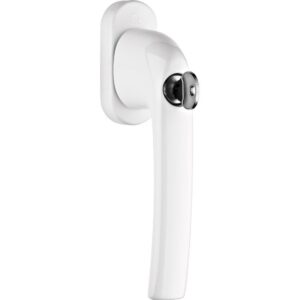
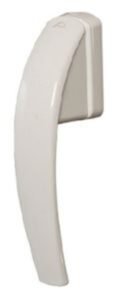
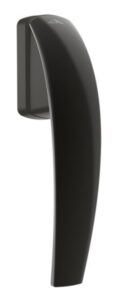
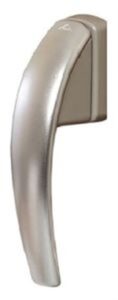
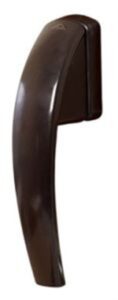
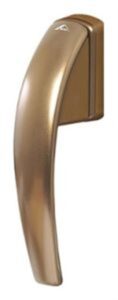
The window handles we fit, each range in its own finishes. The Secustik® mechanism makes the hardware harder to operate from outside and is audible as a click when turned.
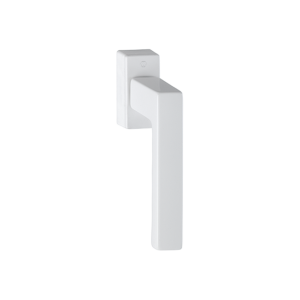
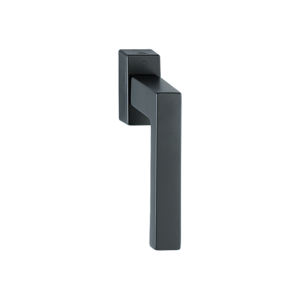
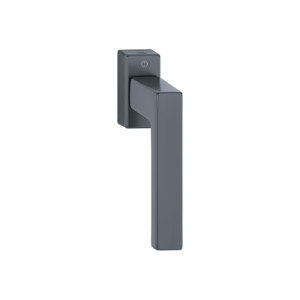
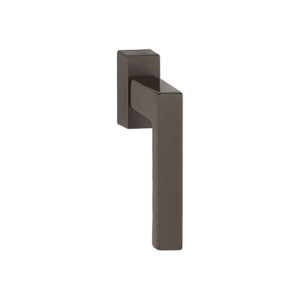
Secustik® window handle — rounded design
The first range, with a curved lever and an oval rose. The same shape in every finish below.
WhiteBlackBronzeGrey
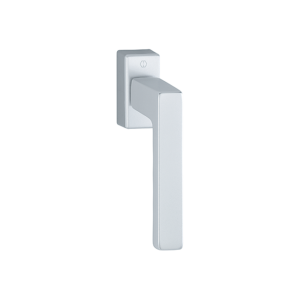
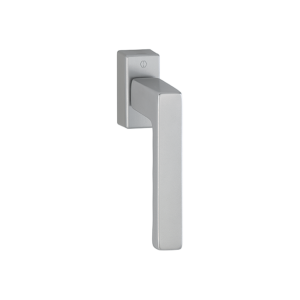
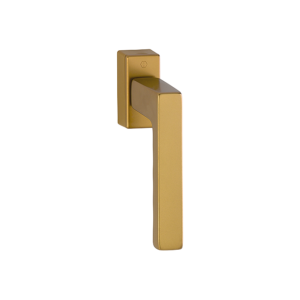
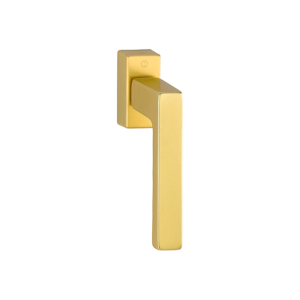
Secustik® window handle — angular design
The second range, with a straight lever and a square rose, for joinery with a contemporary line. Eight finishes, the same shape throughout.
The FG10.TBT1.AL range: a handle with an oval rose and an integrated key cylinder. The window can be tilted without unlocking, but it will not open fully while the cylinder is locked.
SilverClosedBronzeBrownWhite
Roto Swing
The Roto Swing range: a curved lever and a rectangular rose, with the design element and the cover in the same shade as the handle. The manufacturer also supplies it with a Secustik® mechanism.
WhiteBlackGreyBrownBronze
The finishes above are the ones we supply. The trade name of each series and the manufacturer’s finish codes go into the quotation, together with the joinery.
PVC hardware
The window hardware
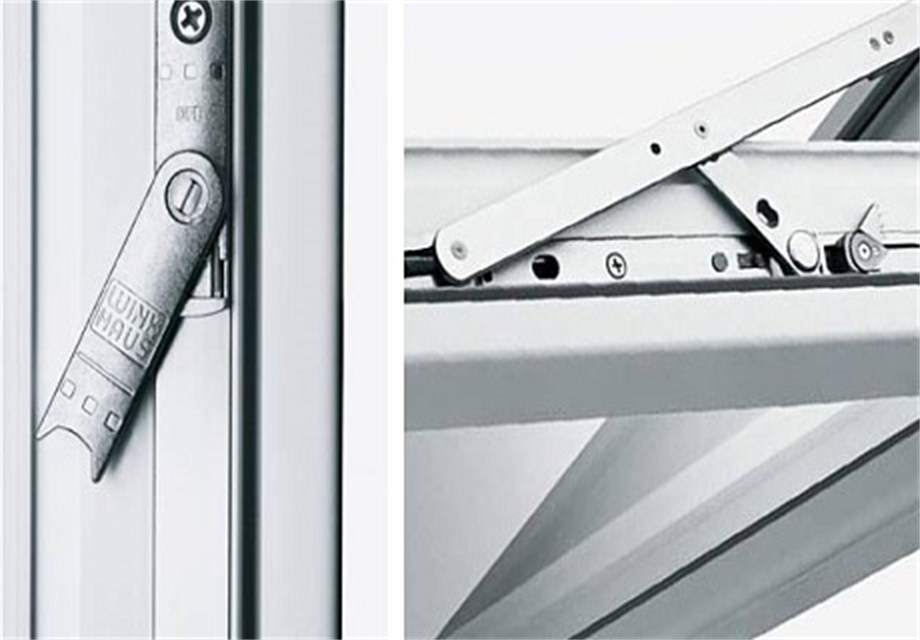
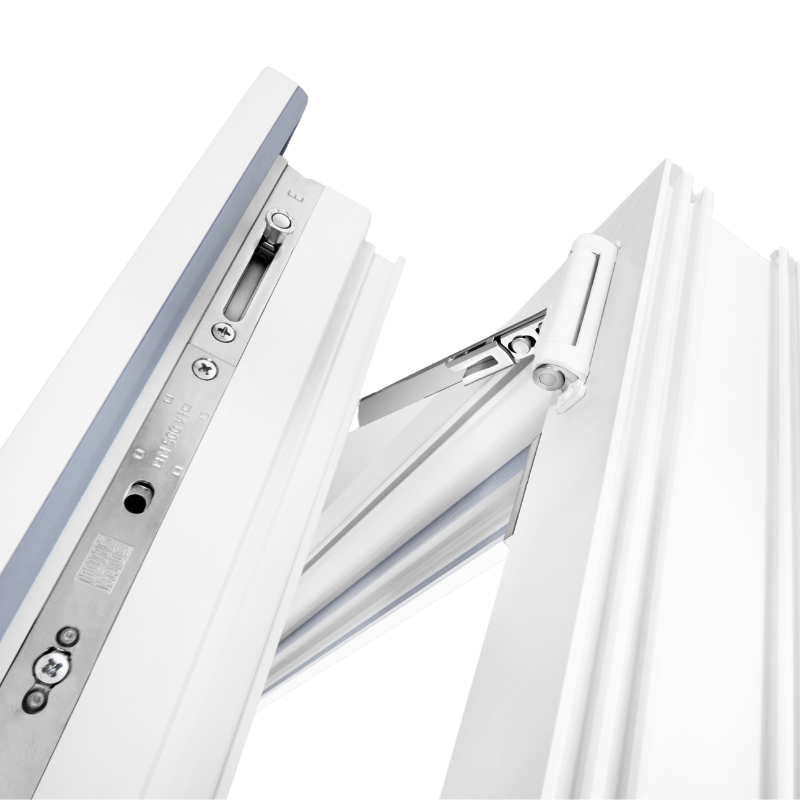
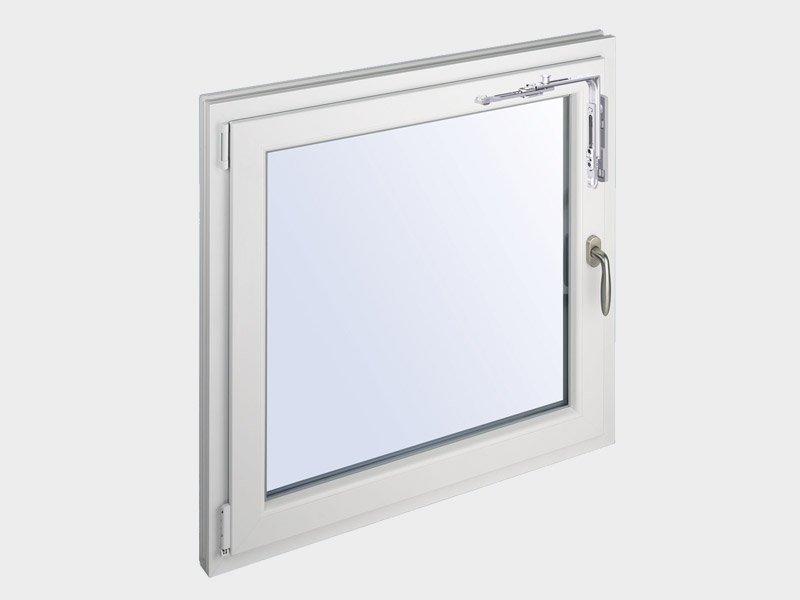
The hardware is what decides whether the window still closes tightly in ten years’ time. On PVC joinery we work with the modular Winkhaus activPilot system, in which each version has a declared load capacity and a hinge type of its own.
Winkhaus
Winkhaus activPilot
The tilt and turn hardware system we use routinely on PVC joinery. The manufacturer presents it as a modular system suited to almost any window shape and to the usual materials — PVC, timber and aluminium.
Characteristics
A modular system, extensible later with extra functions without changing the system
Certified to QM 328
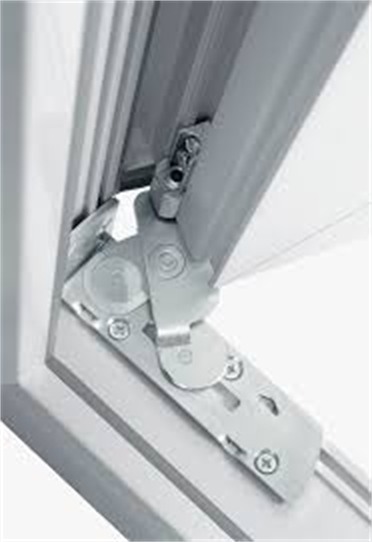
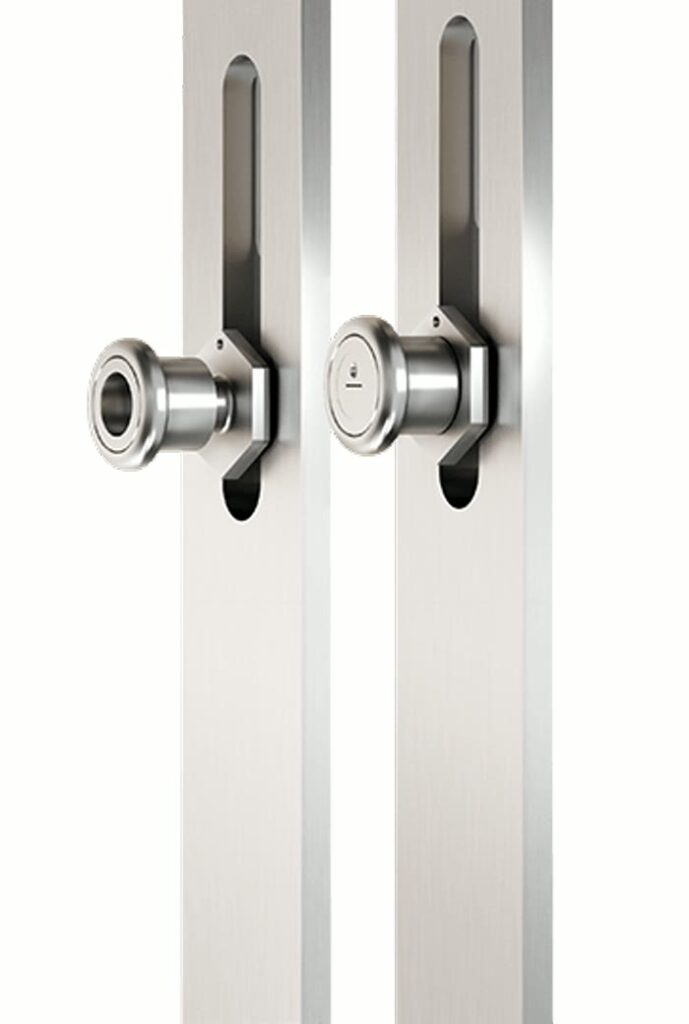
Adjustment of height, of side position and of pressure on the gasket, by turning the octagonal mushroom-head bolt
The reduced number of components shortens installation
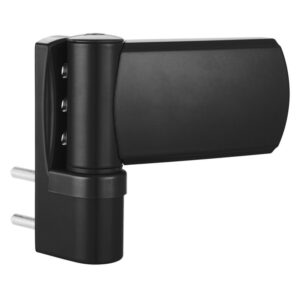
The hinge remains visible on the edge of the window, so it is part of how the window looks. The cover is chosen in the finish of the handles and the rest of the hardware.
WhiteBlackGreyBrownBronze
PVC hardware
Ventilation grilles
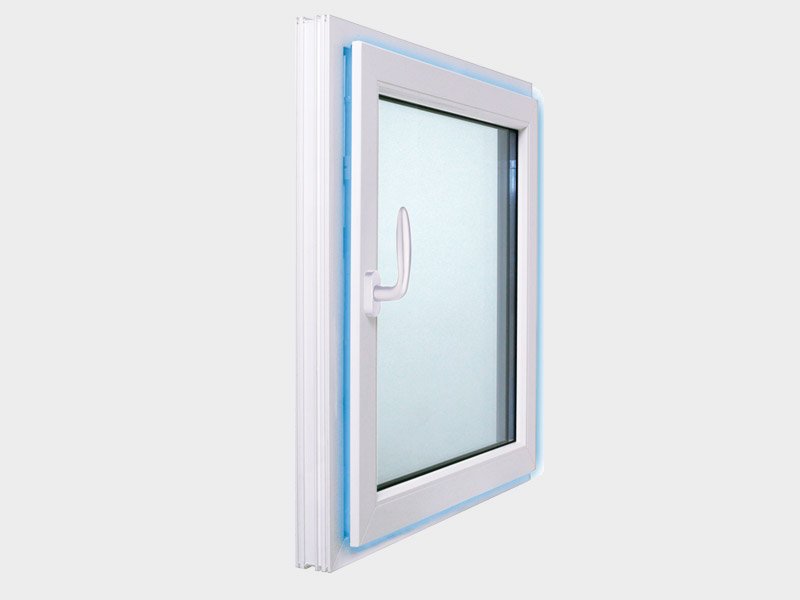
An airtight window stops the air too, not just the cold. The ventilation grille is fitted to the window frame and brings fresh air in under control, along a known path, instead of leaving it to a window left ajar. It is allowed for in manufacture: the frame is routed before installation.
ANJOS
Self-regulating grille
M-G series
The regulating element is a flexible polyester blade that holds the flow constant however hard the wind blows outside. The chosen flow stays the same across the whole pressure range from 20 to 100 Pa.
Characteristics
Flow rates of 15, 22, 30 and 45 m³/h, measured at 20 Pa
Constant flow between 20 and 100 Pa of pressure difference
The 15 and 22 m³/h models have removable wedges, with which 30 m³/h can be reached on site
Surface-mounted on the joinery, on a 354 × 12 mm slot; the 15, 22 and 30 m³/h models also fit a 250 × 15 mm slot
Polystyrene body, 405 × 20 × 18 mm
Acoustic insulation Dn,e,w (Ctr) with a CE2A cover: 35 dB at 15 and 22 m³/h, 34 dB at 30 m³/h, 33 dB at 45 m³/h
Compliant with NF E 51-732, CETIAT test report no. 1014056-2
It works on vertical walls and on any sloping plane
Variants
CE2A façade cover, in ASA, 400 × 23 × 12 mm
GPE2A plastic façade grille, 390 × 20 × 3 mm
GAE2A aluminium façade grille, anodised or pre-coated white or black, 390 × 23 × 1 mm
POE2A blanking plate, for slots left without a grille, 390 × 25 × 3.5 mm
A domed base, for joinery with a curved face
Colours
WhiteRAL 9016
BeigeRAL 1013
BronzeRAL 8019
Light oakRAL 1011
Golden oakRAL 8003
Dark oakRAL 8024
GreyRAL 7035
Dark greyRAL 7011
Anthracite greyRAL 7016
BlackRAL 9011
The swatches reproduce the RAL codes from the manufacturer’s data sheet; the shade is confirmed on a physical sample.
It regulates its own flow according to the humidity in the room: a little air when the air is dry, more when someone is cooking, showering or drying laundry. The RA version, with an acoustic extension, is the one that cuts outside noise most.
Characteristics
Flow varying between 5 and 45 m³/h, according to the relative humidity in the room, at 20 Pa
Acoustic insulation class ESA 4 on ISOLA HY and ESA 5 on ISOLA HY RA
ISOLA HY with a CE2A cover: Dn,e,w (Ctr) 37 dB
ISOLA HY RA with a CE2A cover: 39 dB
ISOLA HY RA with a CFA acoustic cover: 42 dB, which answers a façade rated at 35 dB
Surface-mounted on the joinery, on a 354 × 12 mm slot
ASA body, 420 × 45 × 40 mm
Eurovent certification 01/01 – CHY1 – 2268/2269
It works on vertical walls and on any sloping plane
Variants
CE2A façade cover, in ASA, 400 × 23 × 12 mm
CFA acoustic façade cover, in aluminium pre-coated white, anodised or pre-coated black, 390 × 35 × 45 mm
Acoustic extension, for the ISOLA HY RA version
A domed base, for joinery with a curved face
Colours
WhiteRAL 9016
BeigeRAL 1013
BronzeRAL 8019
Light oakRAL 1011
Golden oakRAL 8003
Dark oakRAL 8024
GreyRAL 7035
Dark greyRAL 7011
Anthracite greyRAL 7016
BlackRAL 9011
The swatches reproduce the RAL codes from the manufacturer’s data sheet; the shade is confirmed on a physical sample.
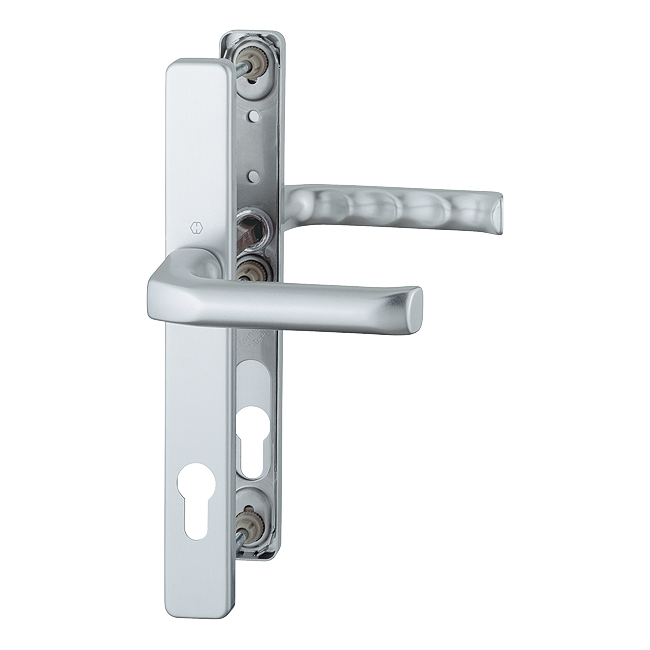
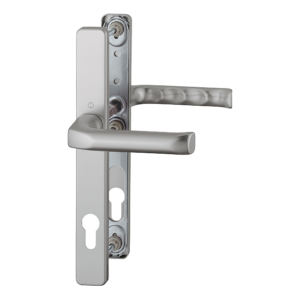
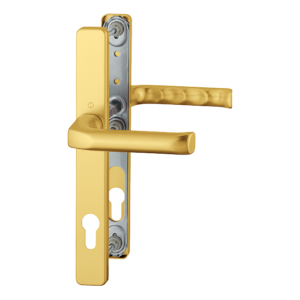
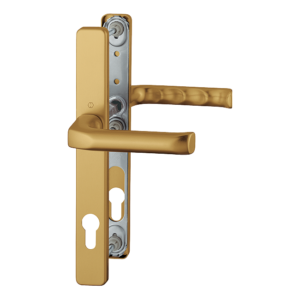
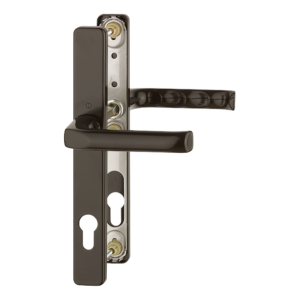
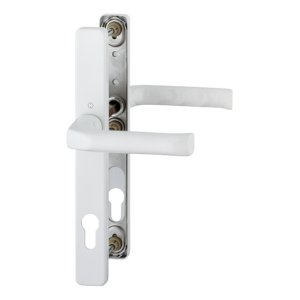
The handle set for a PVC entrance door. It is chosen together with the multipoint lock and the cylinder, because the level of security is declared for the assembly, not for a component.
HOPPE
HOPPE London — handle set on a narrow backplate
Model 113/2246
An aluminium lever–lever set, on a narrow backplate, for profile doors. The backplate covers the cylinder over its whole height and the fixing screws stay hidden under caps.
Characteristics
Lever/lever set, on a narrow backplate
Maintenance-free bearing, with a fixed and a moving lever
8 mm spindle, solid HOPPE stem
Stainless steel base, with support lugs
Fixed through the door, with M6 screws and caps over their heads
For a European profile cylinder, 92 mm between centres
The same set, in the six finishes the manufacturer supplies. The finish is chosen together with the colour of the joinery.
SilverSteelGoldBronzeDark brownTraffic white
The finish codes are the manufacturer’s and go into the quotation as they stand, together with the model and the door thickness.
PVC hardware
Door hinges
The hinges of an entrance door carry the whole weight of the leaf and hold it in position for years. Below are the types of hinge we fit on PVC doors, and what each one does. The exact configuration — the number of hinges, the capacity and the model — is settled on the actual door, according to the profile system, the dimensions and the weight of the leaf.
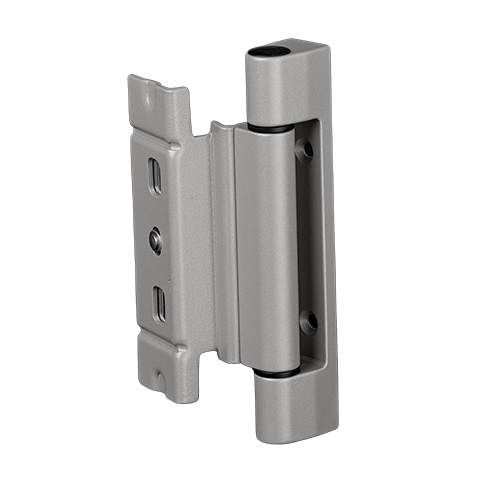
Surface-mounted 3D hinges
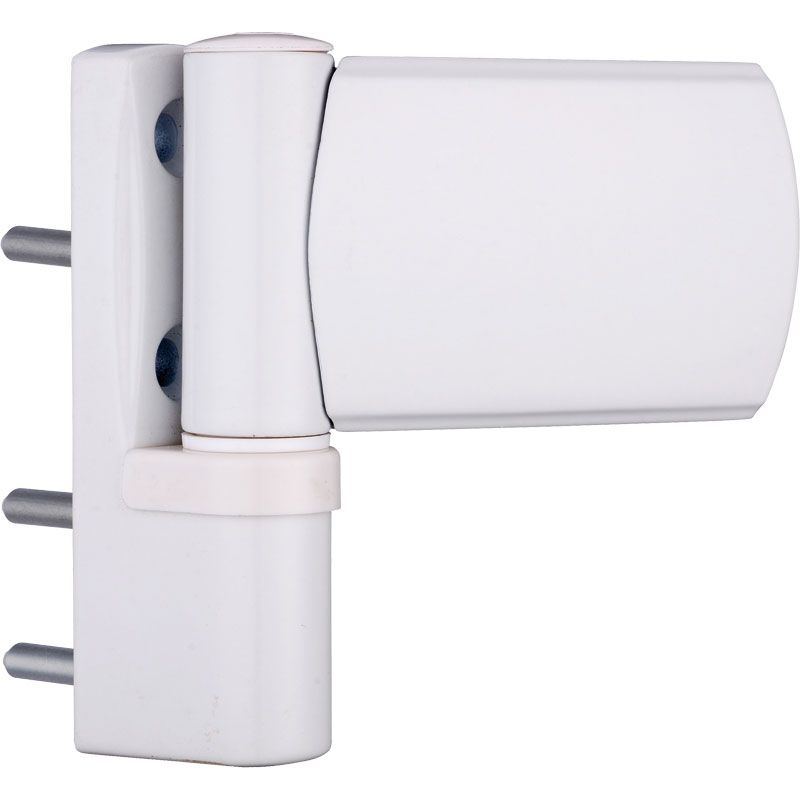
They are fitted over the frame and over the leaf, visible on the edge of the door. They adjust in all three directions — sideways, for height and for gasket pressure — including after installation, without taking the door off. It is the standard solution for PVC doors.
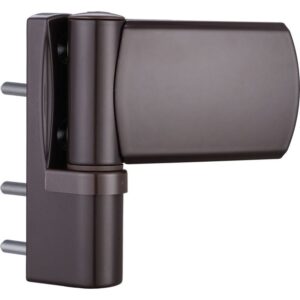
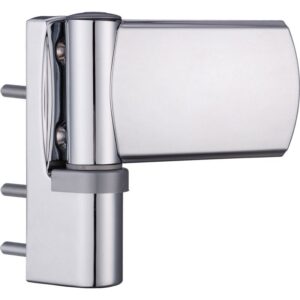
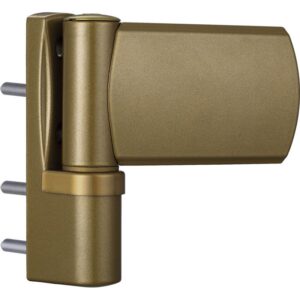
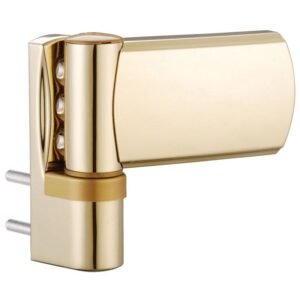
Surface-mounted 3D hinge for PVC doors
greenteQ TB 120.ZD.K
The hinge we routinely fit on PVC entrance doors. It carries heavy leaves, adjusts at six points without taking the door off its hinges, and is supplied in the finish that matches the joinery.
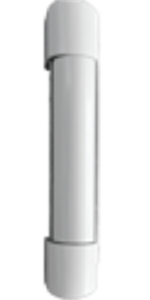
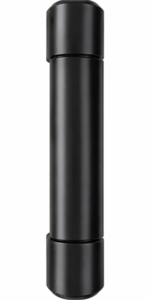
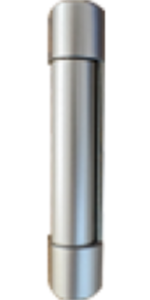
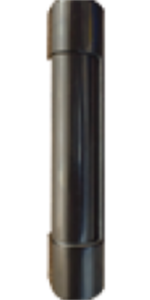
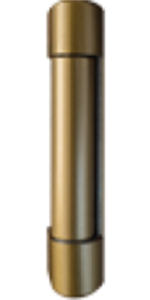
Two solutions for a door that has to stay visually clean. On the cylindrical one all that shows on the edge is a slim cylinder — fitters call it a “roller” — and on the concealed one nothing shows at all with the door closed. On both, the adjustment is inside the hinge body, and the finish is settled together with the joinery.
Cylindrical hinge for PVC doors
The cylindrical solution in its standard version, which we fit on PVC doors. It is supplied in several configurations, according to the profile system and the size and weight of the door. The particular model and the capacity are settled at quotation stage, together with the door.
Characteristics
A cylindrical roller visible on the edge of the door
Adjustment built into the roller
The configuration and the finish are settled on the profile system chosen
Concealed hinge for PVC doors
The solution for doors whose edge has to stay completely clean. The hinge body is fitted in the rebate and the cover masks it. It is supplied in several configurations, according to the profile system and the size and weight of the door.
Characteristics
Completely concealed when the door is closed
Adjustment from the hinge body
It is allowed for when the door is made
The configuration and the finish are settled on the profile system chosen
The exact configuration — the number of hinges, the capacity, the model and the finish — is settled at quotation stage, on the actual door and on the profile system chosen.
PVC hardware
Door locks
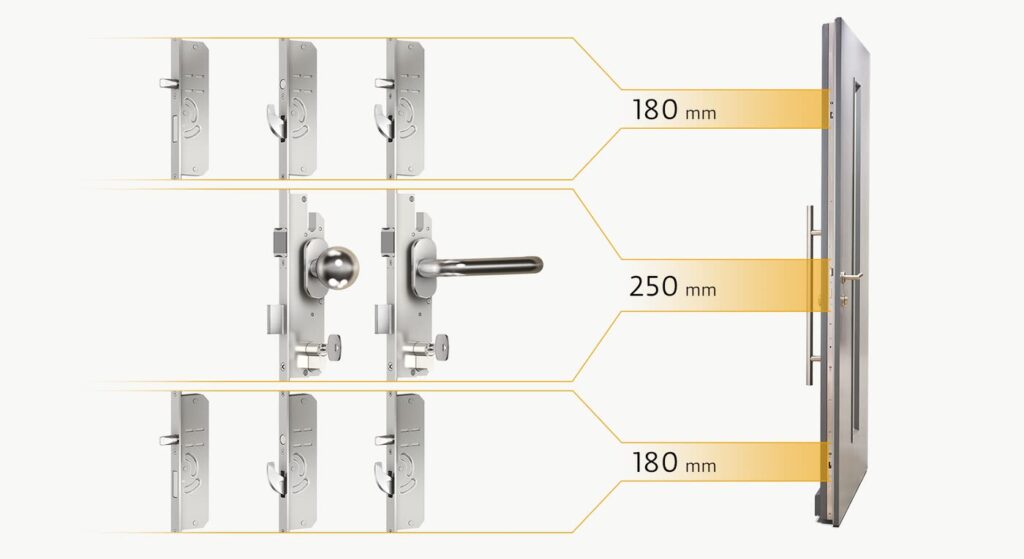
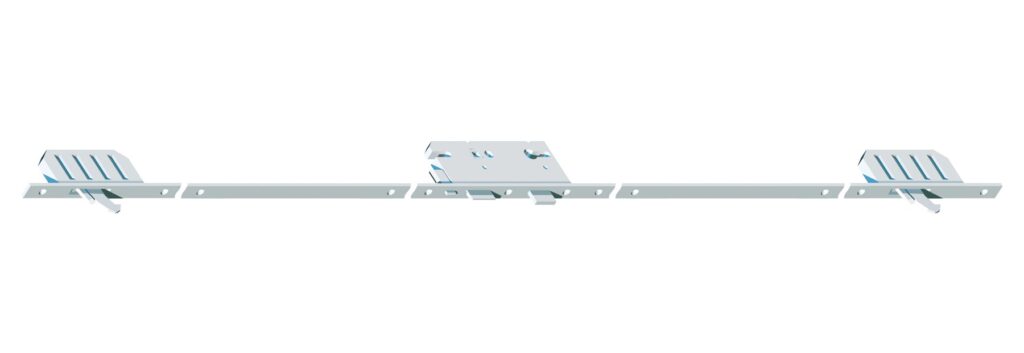
An entrance door locks at several points, not just at the lock case. The number and type of locking points decide the burglar resistance class of the assembly.
SIEGENIA
SIEGENIA KFV ONE — key-operated multipoint locks
The modular generation of KFV multipoint locks, operated from the cylinder. It is used where the door is locked with the key, not automatically on closing. The exact configuration of the locking points is settled together with the security class required.
Characteristics
A modular system, with uniform dimensions and product families that combine freely
A smooth-closing softlock latch, fitted as standard in every main lock case
An improved hook profile, for greater burglar resistance
Uniform fixing positions for every multipoint lock, with a single routing dimension
Burglar resistance up to class RC 3
Distances from the axis: 25 – 100 mm
Cylinder centres: 72, 85, 88 and 92 mm for the profile cylinder; 74 and 94 mm for the Swiss round cylinder
Backplates from the 16 mm flat version to the 10 × 30 × 10 mm U profile
To DIN EN 14351, tested and classified to DIN EN 1627 – 1630
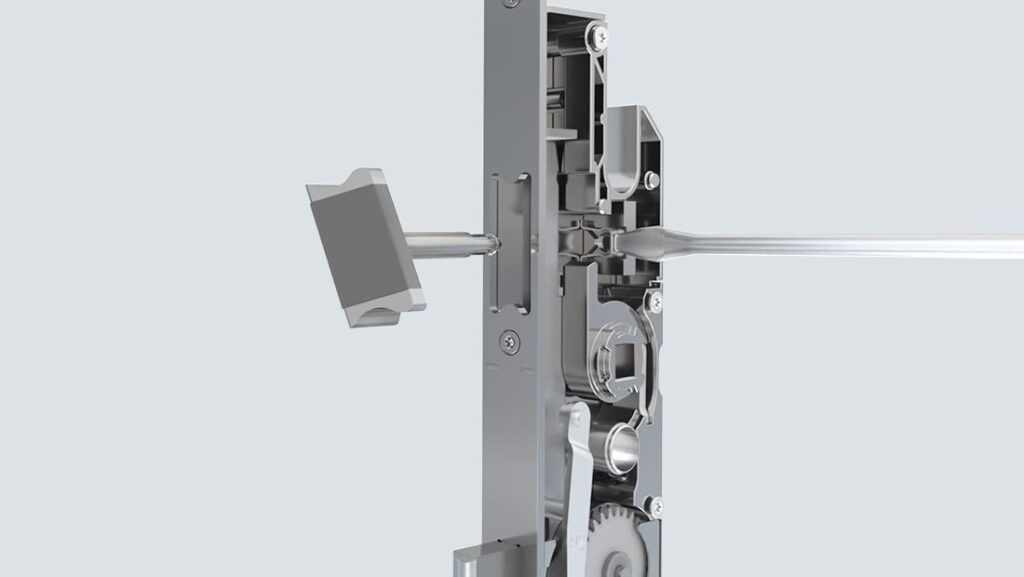
The multipoint locking system we routinely fit on entrance doors. It locks itself the moment the door is pulled to, with no need to turn the key. The manufacturer offers it in two versions: the mechanical autoLock AV3 and the motorised blueMatic AV3-E. We use the mechanical version.
Characteristics
It locks automatically when the door is pulled to, with no turn of the key
Two solid hook bolts that throw themselves as the door closes
Two sealing elements, which hold the leaf tight against the gasket
A central case, containing the lock and the trigger
A central magnetic trigger, which acts once the door has closed fully
TaFa day latch: while it is engaged, the door opens from outside without a key
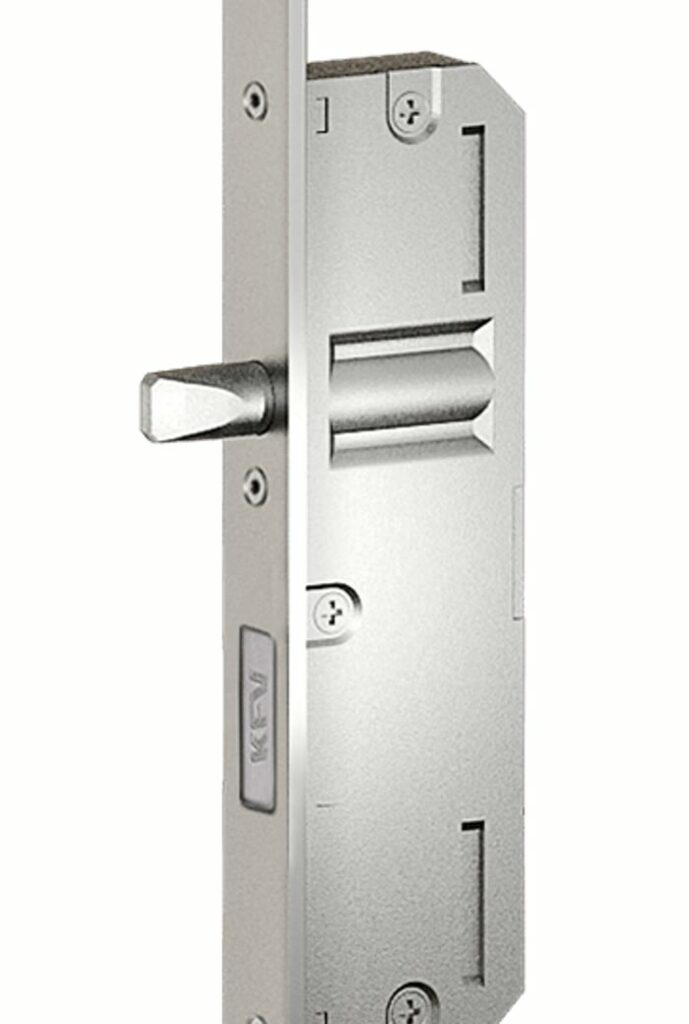
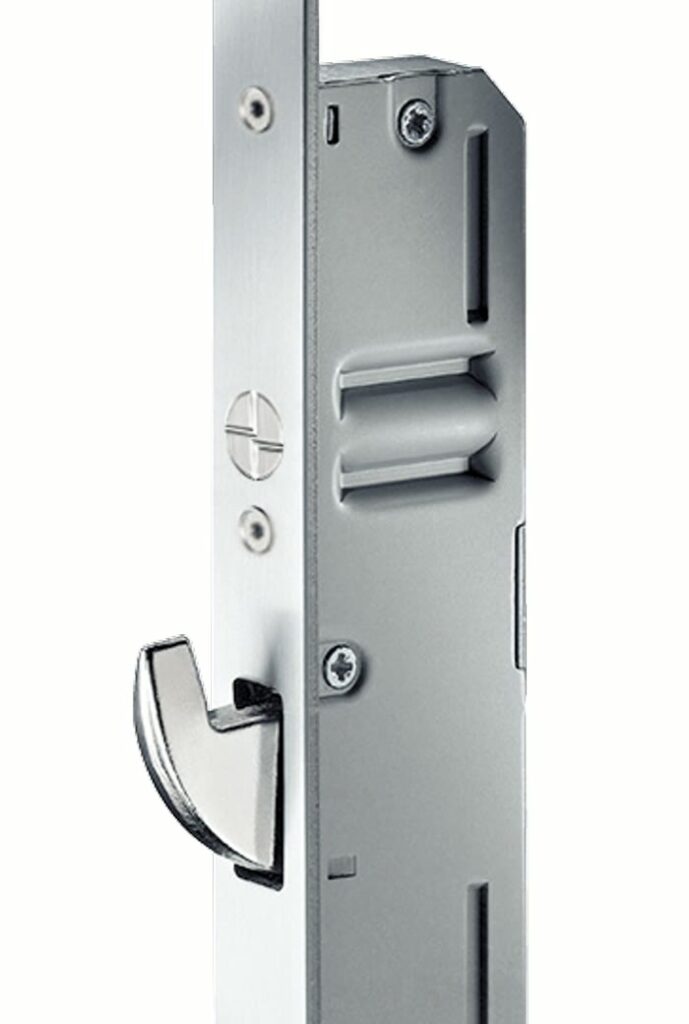
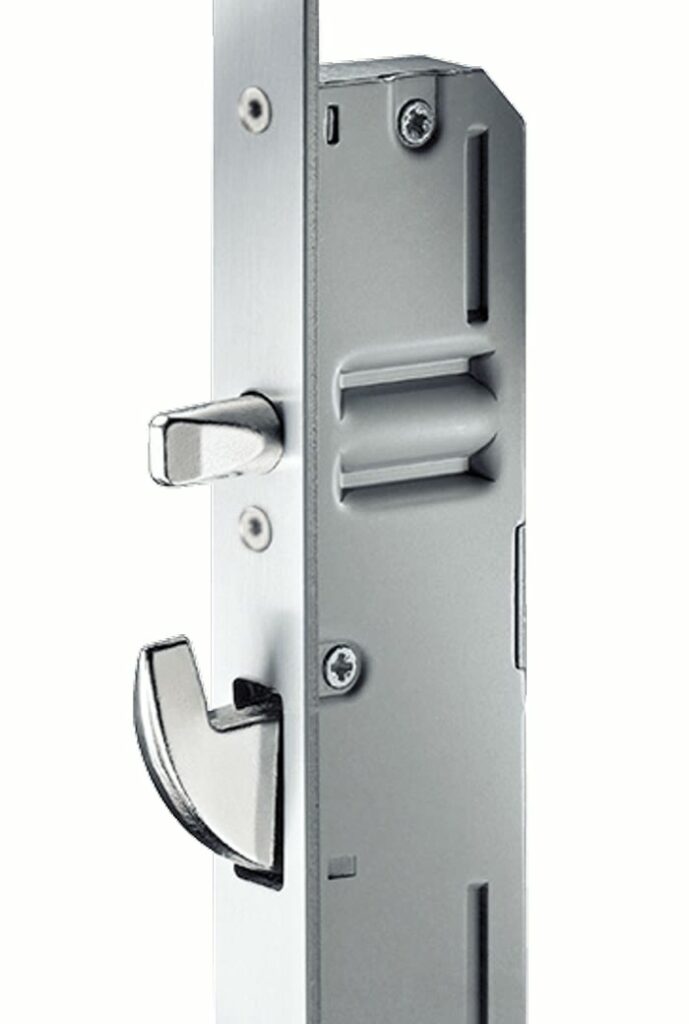
“Multipoint lock” says nothing yet about how the door is held in its frame. The difference is made by the parts fitted on the locking bar — deadbolt, straight bolt or hook — and by the combinations between them. Below are the types SIEGENIA publishes for the KFV range, each with its image.
The main deadbolt and the latch
The deadbolt is the part that locks the door into the frame when you turn the key; the latch is what keeps the door shut between uses, without locking it. On every KFV ONE multipoint lock the latch is of the softlock type, meaning it enters the frame smoothly and silently.
What it means The deadbolt alone gives no burglar resistance class: it locks the door at one point. The additional points — the bolts and hooks below — are what stop the leaf being forced along its height.
AS 4340 series
Straight steel bolt
The round steel bolts make the door harder to lever and so thwart attempts at forced entry.
What it means The bolt enters the keep in the frame straight on. It holds very well against pushing and striking, but it does not draw the leaf towards the frame — so it adds no pressure on the gasket.
AS 4540 series
Swing hook bolt
The tapered hooks prevent the door leaf being levered out of the frame and provide high thermal insulation and an optimal seal.
What it means The hook swings out as the door locks and catches behind the keep. Because it is tapered, it draws the leaf towards the frame as it engages: that is where the constant pressure on the gasket and the resistance to being pulled out come from.
AS 4640 series
Bolt and hook together
This combination offers maximum security: the round steel bolts make the door harder to lever, and the hooks prevent the leaf being pulled out.
What it means The version we ask for on entrance doors with a security requirement: each type of element covers a different mode of forcing, and the hook maintains the seal as well.
AS 4100 series
Adjustable mushroom bolts
A particularly smooth, low-maintenance multipoint lock, with self-adjusting mushroom bolts that also adjust for height and engage behind the parts in the frame.
What it means The mushroom head engages behind the keep, as in window hardware. It adjusts for height, so it compensates over time for the leaf settling.
The images and series names are those published by SIEGENIA for the handle-operated KFV multipoint locks, where the manufacturer shows each type of element separately. The key-operated version, KFV ONE, uses the same types of element, but their number and position on the leaf depend on the configuration — which is why we do not fix them here. The exact combination and the codes are settled at order stage, together with the security class required, and recorded in the project documentation. Official SIEGENIA page ↗
PVC hardware
Security and comfort
Components you do not see, but which change the way a window is used. They are settled before manufacture, because they belong to the hardware, not to later accessories.
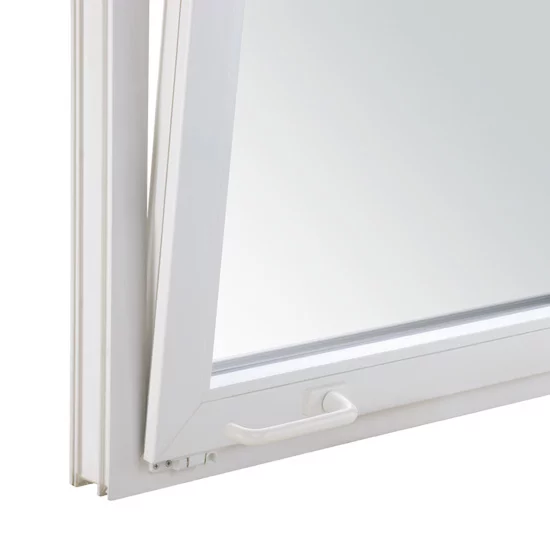
The sash moves away from the frame in parallel and leaves a ventilation gap all round, instead of tilting on one side only. It is operated from the same window handle.
Characteristics
The parallel position is added to the usual tilt and turn functions
A ventilation gap of about 6 mm all round the sash
Burglar resistance up to RC 2 while ventilating in the parallel position
The monitoring component built into the hardware, for buildings where the state of the window has to be known: alarm, controlled ventilation or air extraction.
Characteristics
VdS certificate, class B or C
DIBt approval
It allows alarm monitoring, climate control and control of the extracted air
It integrates into the activPilot hardware, with no visibly applied components
On balcony doors and sliders, the threshold decides whether the crossing is level and whether it stays weathertight. The solutions below are part of the profile systems, not accessories added on.
Kömmerling
Kömmerling PremiStep
The level-threshold solution built into the Kömmerling 76 and 88 systems, for balcony and terrace doors.
Characteristics
A thermally broken threshold, available on systems with a centre gasket
RC stands for “Resistance Class” and is the scale defined by the European standard EN 1627. Each step describes a different kind of intruder, different tools and a different time the joinery has to hold out.
The standard sets no resistance time for this class.
Required for A minimum level, for openings that are hard to reach — upper floors, windows with nothing to climb on nearby.
RC2
Against opportunist attempts
Who is attacking
An opportunist intruder, who tries to force the joinery with simple tools.
With what
Screwdriver, wedge, pliers.
How long it holds
3 minutes resistance time · 15 minutes total test time
Required for The level most often asked for in housing: ground floor, reachable balconies, entrance doors.
RC3
Against an experienced intruder
Who is attacking
An intruder who knows what they are doing and comes prepared, with levering tools.
With what
Two screwdrivers and hand tools: hammer, crowbar, hand drill.
How long it holds
5 minutes resistance time · 20 minutes total test time
Required for Detached houses, ground floors with no close neighbours, spaces holding valuables.
RC4
Against power tools
Who is attacking
An experienced intruder, who also uses cutting and striking tools.
With what
Saws, axe, hammer, chisel and cordless power tools.
How long it holds
10 minutes resistance time · 30 minutes total test time
Required for Buildings with a high security requirement, usually on an express project requirement.
An RC class is not achieved by a single component
The classification is assigned to the assembly tested in the laboratory, not to a component. No handle, no bolt and no lock case “makes a door RC3” on its own: the test is carried out on the complete window or door, fitted in its frame, in exactly the configuration that will be supplied.
That means that they change together: the profile and its reinforcement, the hardware and the locking points, the glazing or the panel, the handle and the way the joinery is fixed into the opening. Changing any one of them invalidates the class, even if everything else stays identical.
In short: an RC class is demonstrated with the test report and the certificate for that particular assembly. We do not claim that our joinery automatically has an RC class. If the project calls for a particular one, we settle it before ordering — with the system, the hardware and the glazing that were tested together — and put the documents in the project file.
What goes into the classification
The profile
The depth, the number of chambers and, in PVC, the steel reinforcement inside the profile. Without proper reinforcement the rest does not matter.
The hardware
The number and type of locking points, the keeps and their resistance to being pulled out of the profile.
The glazing or the panel
In an RC class the glass is tested along with everything else. Ordinary glazing turns everything else into decoration.
The handle
With a key or a button, drill-resistant, mounted on a rose that does not give.
Fixing into the opening
The type, number and spacing of the anchors. Joinery of a given class, badly fitted, no longer has that class.
The configuration tested
The dimensions, the number of leaves and the type of opening. The class is assigned to the specimen tested, not to every window made from the same profile.
The resistance time is the actual working time of the operator attempting to break in. The test time is the total duration and includes pauses, changing tools and looking for weak points — which is why the two figures differ. The standard also defines classes RC5 and RC6, for high-powered power tools; they are used on high-risk buildings, not on ordinary domestic joinery. In French documentation the same classes appear as “classe de résistance RC”, to the same EN 1627.
Before ordering
What we decide together
The security class
RC 1 N, RC 2 or RC 3 come from the assembly: steel keeps in the frame, enough locking points and a handle of the matching class. We settle the level before manufacture.
The weight of the sash
Every hinge has a maximum permitted weight. We calculate it from the size of the window and the glazing unit chosen; we do not estimate it.
Surface-mounted or concealed hinge
The concealed hinge clears the edge of the window completely, but it has different weight limits and a different cost. The choice is made at the outset, because it changes how the profile is machined.
The right handle
Plain, lockable or with a button. On ground floors and on windows reachable from outside we recommend the locking version, tested to DIN 18104-1.
Accessibility of the threshold
On balcony doors and sliders the level threshold is decided together with the system. It cannot be added later.
Consistency with the joinery
The colour of the handles and hinges is chosen together with the finish of the profile, so that the whole reads as one.
A professional note
The burglar resistance class belongs to the assembly, not to a component
A window does not become RC 2 because it has a lockable handle. The class comes from the combination of profile, glass, hardware and installation, and is declared for the assembly tested. All the values on this page are those published by the hardware manufacturers for their own components; the performance of the finished window is established on the configuration actually ordered.
The exact component codes are not published here because they depend on the profile system, the size of the sash and the level of security required. We settle them at quotation stage and record them in the project documentation.
On an ordinary visit, this site places no cookies of its own and uses no traffic analytics, advertising or tracking. We ask for your consent only for content hosted by others — the map and the virtual tour — because it transmits your IP address to the provider.
A single cookie, mcv_cookies, which remembers the choice you make on this screen so that we do not have to ask again on every page. It is kept for six months and stays on this site. The other cookies in this category appear only for those who log in to the administration area of the site.
The Google map on the contact page and the Matterport virtual tour on the home page. If you accept, they load by themselves and may place their own cookies. If you refuse, they stay blocked, and in their place you see a button you can press at any time, for that one piece of content only.
We have no analytics, advertising or social media categories, because the site uses no such tools. If they ever appear, they will appear here too, with the toggle switched off.